
Physical Exams for Sports: Preparation Tips
- Sep 15, 2025
- 3 min read
Preparing for a sports physical is a crucial step for any athlete aiming to participate safely and effectively in their chosen sport. These exams help identify any health issues that could affect performance or increase injury risk. Proper preparation can make the process smoother and more informative. This guide offers practical tips to help you get ready for your sports physical and ensure you get the most out of it.
Understanding the Importance of Sports Physical Preparation
Sports physical preparation is more than just a routine checkup. It involves getting your body and mind ready for the exam so that the healthcare provider can accurately assess your fitness for sports participation. This preparation helps uncover any underlying conditions such as asthma, heart problems, or joint issues that might need attention before you hit the field.
Key reasons to prepare well include:
Ensuring accurate health assessment
Preventing sports-related injuries
Meeting school or league requirements
Gaining personalized advice for training and nutrition
By preparing properly, you also reduce anxiety and make the exam experience more comfortable.

Practical Tips for Effective Sports Physical Preparation
To get ready for your sports physical, follow these actionable steps:
1. Gather Your Medical History
Bring a detailed record of your past illnesses, surgeries, allergies, and any medications you are currently taking. This information helps the doctor understand your health background and identify any risks.
2. Wear Appropriate Clothing
Choose comfortable, loose-fitting clothes that allow easy movement. Athletic wear is ideal because the doctor may want to check your flexibility, strength, and joint function.
3. Stay Hydrated and Eat Lightly
Drink plenty of water before the exam but avoid heavy meals. Being well-hydrated helps with blood pressure and pulse measurements, while a light meal prevents discomfort during physical tests.
4. Prepare Questions and Concerns
Write down any symptoms or concerns you have about your health or sports performance. This ensures you don’t forget to discuss important issues during the exam.
5. Get Plenty of Rest
A good night’s sleep before the exam helps your body perform at its best and provides accurate vital signs.
6. Bring Required Documents
Some schools or sports organizations require specific forms or paperwork. Make sure to bring these completed forms to avoid delays.
What to Expect During Your Sports Physical
Knowing what happens during the exam can help you feel more confident and prepared. Typically, a sports physical includes:
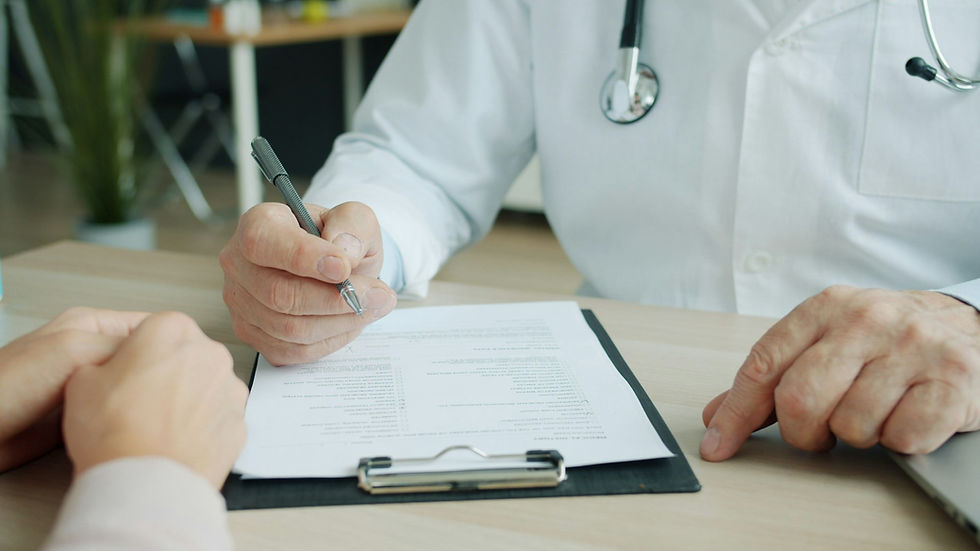
Medical History Review: The doctor will ask about your health, family history, and any previous injuries.
Physical Examination: This covers height, weight, blood pressure, heart and lung function, vision, and musculoskeletal system checks.
Fitness Assessment: You may be asked to perform simple exercises to test strength, flexibility, and endurance.
Discussion: The doctor will talk about your readiness for sports, injury prevention, and any necessary follow-up.
The exam usually takes 20 to 30 minutes and is painless.
How to Maintain Health After Your Sports Physical
Passing your sports physical is just the beginning. Maintaining your health throughout the season is essential for peak performance and injury prevention.
Follow These Tips:
Stay Active: Keep up with regular training and conditioning.
Eat Balanced Meals: Focus on nutrition that supports energy and recovery.
Hydrate: Drink water before, during, and after activities.
Rest and Recover: Allow time for sleep and muscle recovery.
Monitor Symptoms: Report any pain, dizziness, or unusual fatigue to your healthcare provider immediately.
By following these guidelines, you can enjoy your sport safely and effectively.

Scheduling Your Sports Physical: When and Where
Timing your sports physical is important. Most schools and leagues require the exam to be completed within a certain timeframe before the season starts. Ideally, schedule your appointment at least 4 to 6 weeks in advance to allow time for any follow-up care.
You can get your exam done at:
Your primary care physician’s office
Sports medicine clinics
School health centers
Urgent care facilities that offer sports physicals
For more detailed information and to schedule your appointment, visit physical exams for sports.
By following these sports physical preparation tips, you can ensure a smooth exam experience and set yourself up for a successful and safe sports season. Taking the time to prepare shows your commitment to your health and athletic goals.


Comments